Case Study: Transforming Homes with Timber Frame Extensions


Introduction to Timber Frame Extensions
Homeowners looking to expand their living space often turn to extensions as a practical solution. Among the various options, timber frame extensions have gained popularity for their aesthetic appeal and structural benefits. This case study explores how timber frame extensions can transform homes, adding both value and functionality.
Timber frame extensions are not only visually appealing but also environmentally friendly. Using sustainable wood sources, these extensions reduce the carbon footprint while providing a warm, natural look. Let's delve into the specifics of how these extensions are changing the landscape of modern homes.
Benefits of Timber Frame Extensions
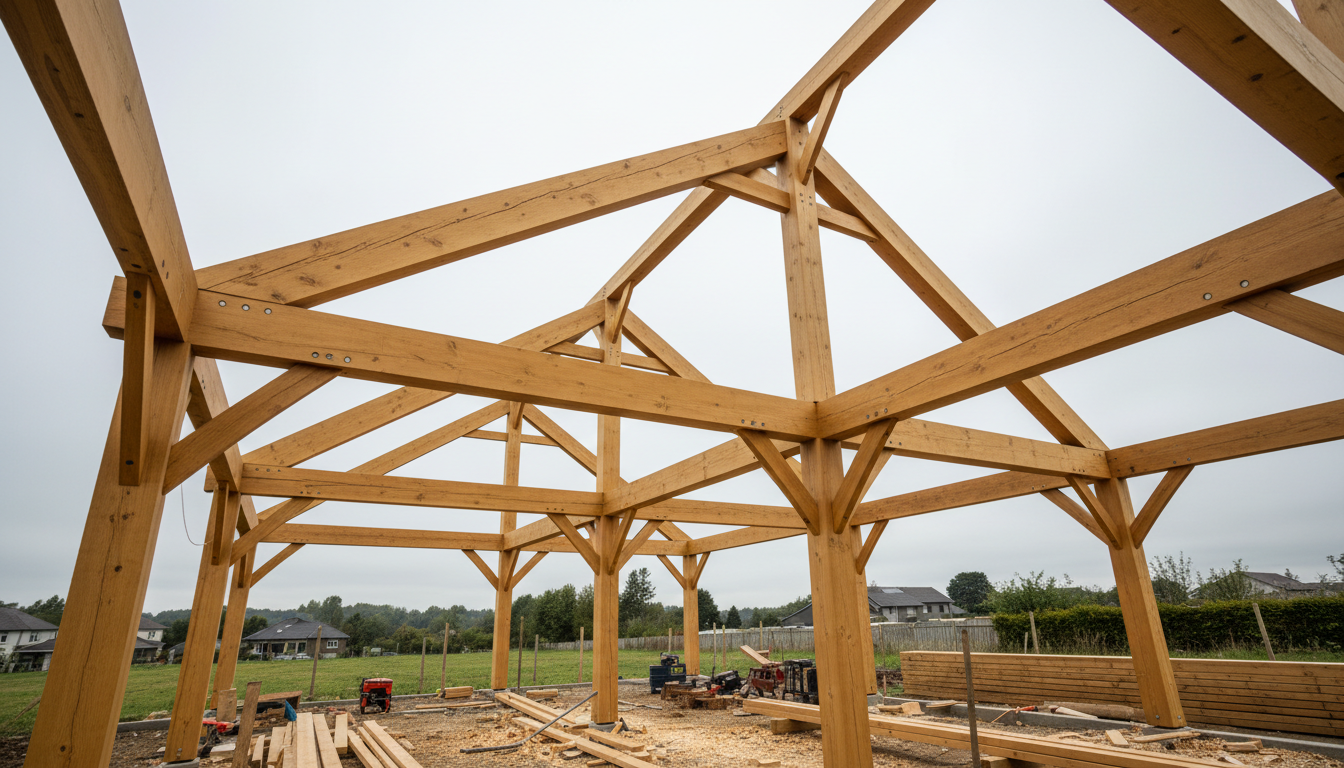
One of the primary benefits of timber frame extensions is their versatility. They can be customized to fit any architectural style, from traditional to contemporary. This flexibility allows homeowners to maintain or enhance their home's existing aesthetic.
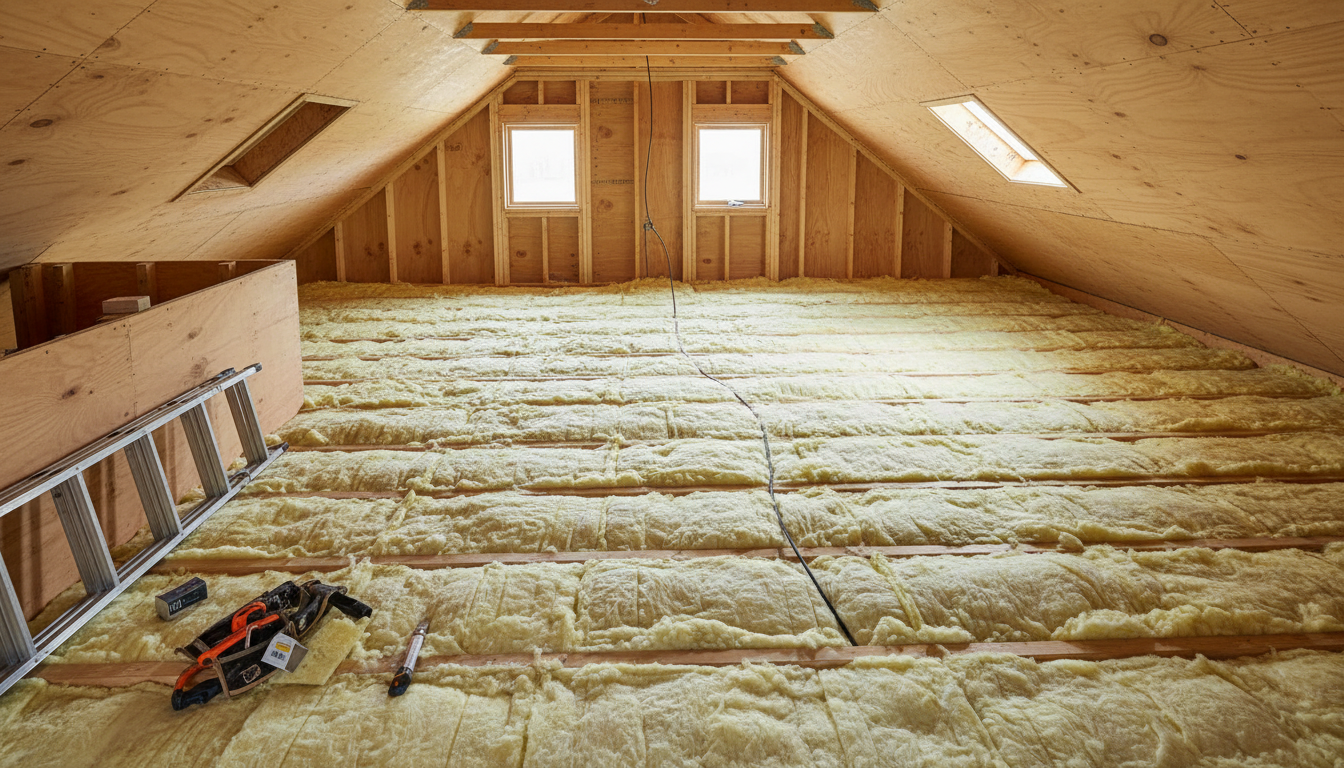
Moreover, timber frames offer superior insulation properties. The natural thermal efficiency of wood ensures that homes remain warm in the winter and cool in the summer. This energy efficiency translates to reduced heating and cooling costs, making timber frame extensions a cost-effective investment in the long run.
Design and Construction Process
The design and construction process of timber frame extensions is streamlined and efficient. The prefabrication of timber components allows for quicker assembly on-site, minimizing disruption to the household. This method also ensures high precision and quality control, as the components are crafted in a controlled environment.
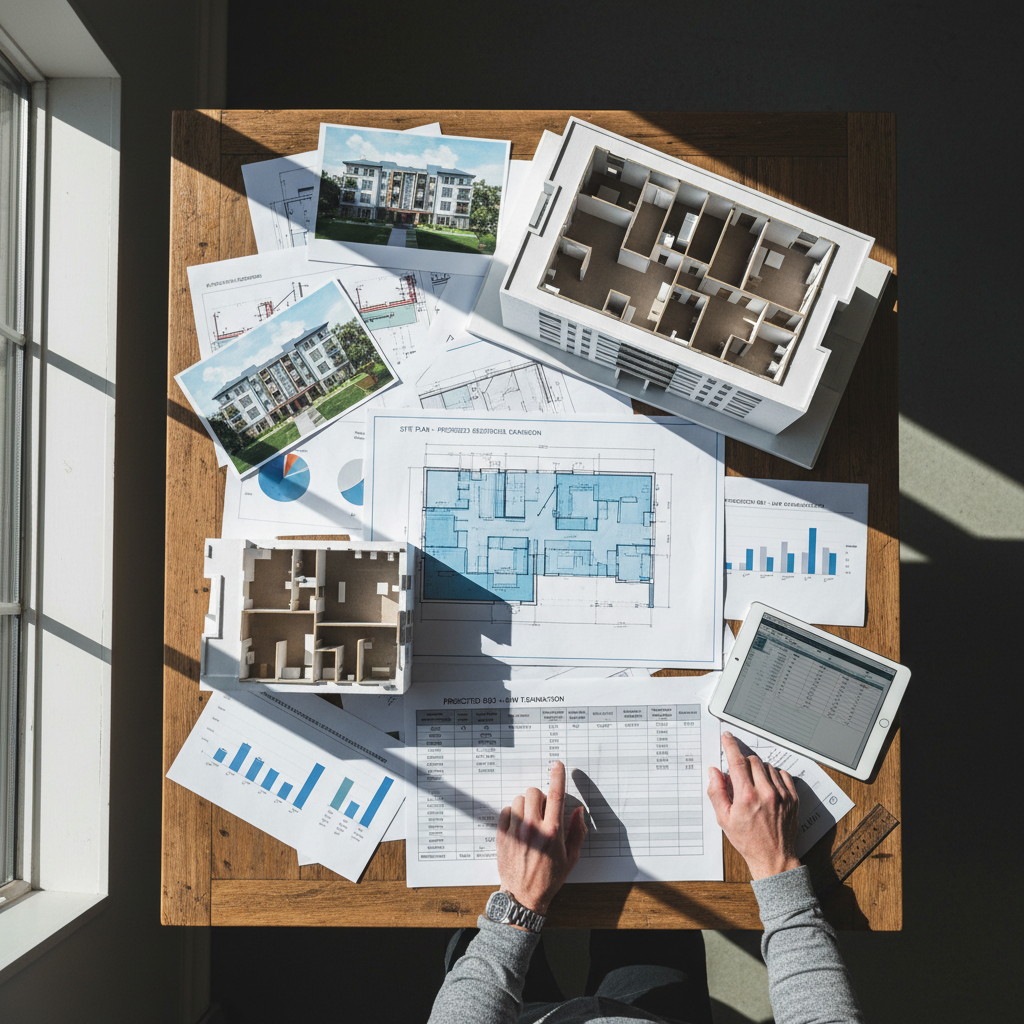
During the design phase, architects work closely with homeowners to create a plan that meets their specific needs and preferences. This collaborative approach ensures that the final result aligns with the homeowner's vision and lifestyle requirements.
Case Study: A Real-Life Transformation
Consider a recent project where a family sought to add more space to their traditional home. By opting for a timber frame extension, they seamlessly integrated additional living areas without compromising the home's original charm. The result was a beautiful, functional space that enhanced their daily living experience.
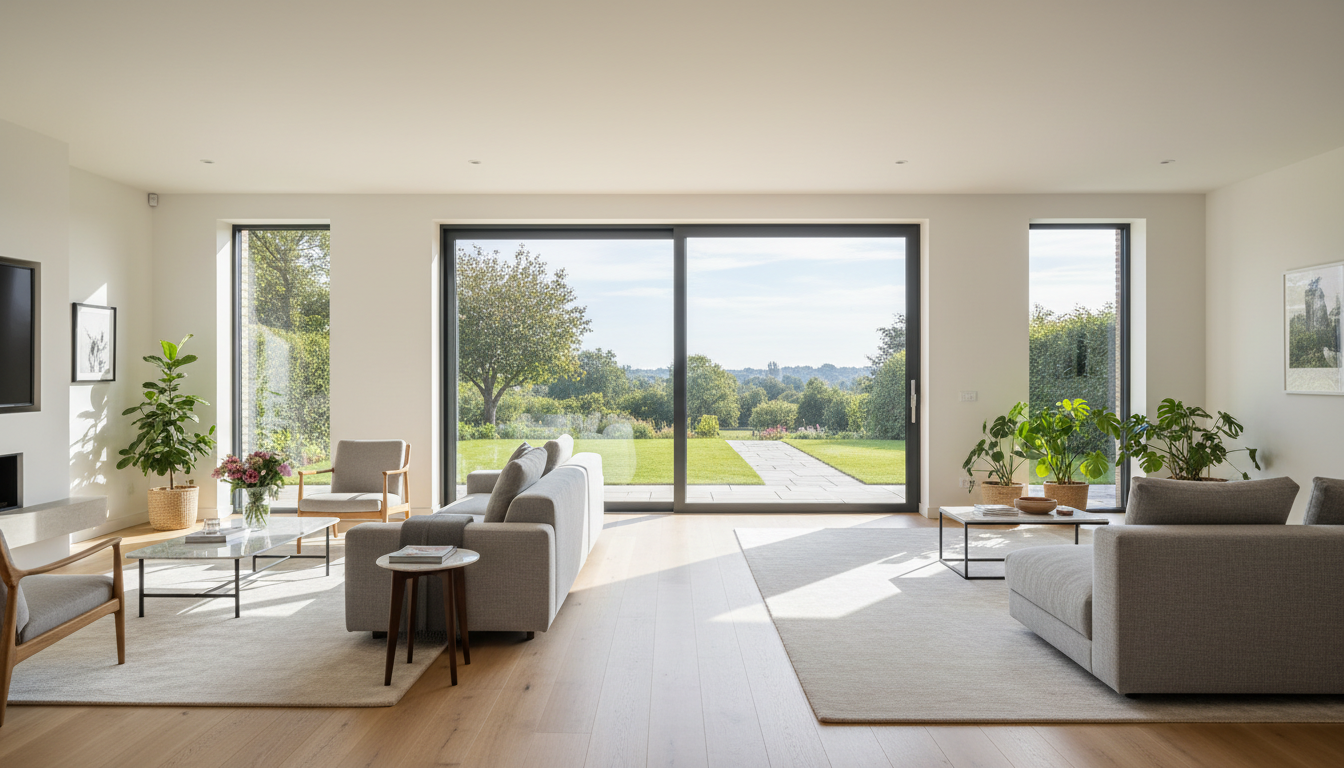
The extension featured large windows, allowing for ample natural light and offering stunning views of the surrounding landscape. The use of timber created a cohesive flow between the new and existing structures, maintaining the home's character while providing modern amenities.
Environmental Impact and Sustainability
Timber frame extensions are an eco-friendly choice, as they use renewable resources. Responsible forestry practices ensure that the wood used in these projects is sustainably sourced, contributing to forest preservation and biodiversity.
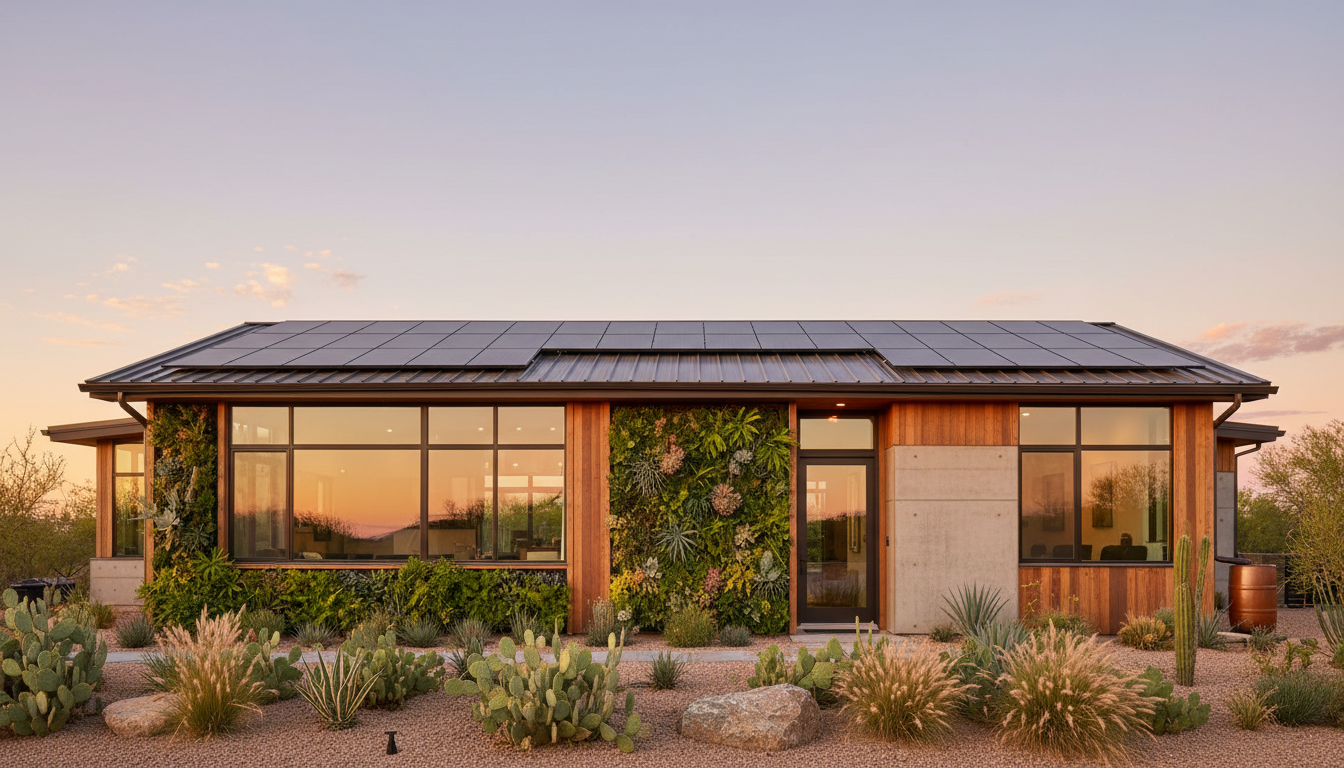
In addition to using sustainable materials, timber frame extensions often incorporate other green technologies, such as solar panels and energy-efficient glazing. These elements further reduce the environmental impact, aligning with a growing trend towards sustainable living.
Conclusion
Timber frame extensions offer a blend of beauty, functionality, and sustainability. They provide homeowners with the opportunity to expand their living space while enhancing their property's value and reducing environmental impact. As demonstrated in this case study, these extensions are a viable option for those looking to transform their homes into more comfortable and eco-friendly spaces.
With their numerous benefits, timber frame extensions are set to remain a popular choice among homeowners and architects alike, contributing to the evolution of modern residential design.