Common Misconceptions About Timber Frame Construction Debunked


Timber frame construction has been around for centuries, admired for its aesthetic appeal and structural integrity. However, several misconceptions persist about this building method. In this post, we'll explore and debunk some of the most common myths surrounding timber frame construction.
Timber Frames Aren't Durable
One prevalent misconception is that timber frames lack durability. Contrary to this belief, timber frame structures can last for centuries. Historic buildings around the world stand as a testament to their longevity. The key lies in using quality materials and proper maintenance, which can significantly extend the life of a timber frame building.
Modern advancements in treatment and protection of timber further enhance its durability. Techniques such as pressure treating and kiln drying help in protecting wood from pests and rot, ensuring the timber remains strong and reliable over time.
Timber Frame Homes Are Less Energy Efficient
Another myth is that timber frame homes are less energy efficient compared to other construction methods. In reality, timber frames can be highly energy efficient. The design allows for more insulation to be placed between the timbers, providing superior thermal performance.
Timber naturally regulates humidity and temperature, creating a comfortable living environment. When combined with energy-efficient windows and doors, timber frame homes can significantly reduce energy consumption.

Timber Frames Aren't Cost Effective
It's often assumed that timber frame construction is more expensive than conventional methods. While the initial costs might be higher due to quality materials and skilled labor, the long-term benefits often outweigh these expenses.
Timber frame homes can be more cost-effective in the long run due to their energy efficiency and durability. Additionally, the open design of timber frame homes allows for flexible floor plans, potentially reducing costs associated with remodeling and expansions.
Cost-Saving Benefits
- Reduced energy bills: Enhanced insulation reduces heating and cooling costs.
- Low maintenance: Durable materials require fewer repairs over time.
- Flexibility: Open floor plans offer easy modification options.
Timber Frames Are Not Suitable for Modern Designs
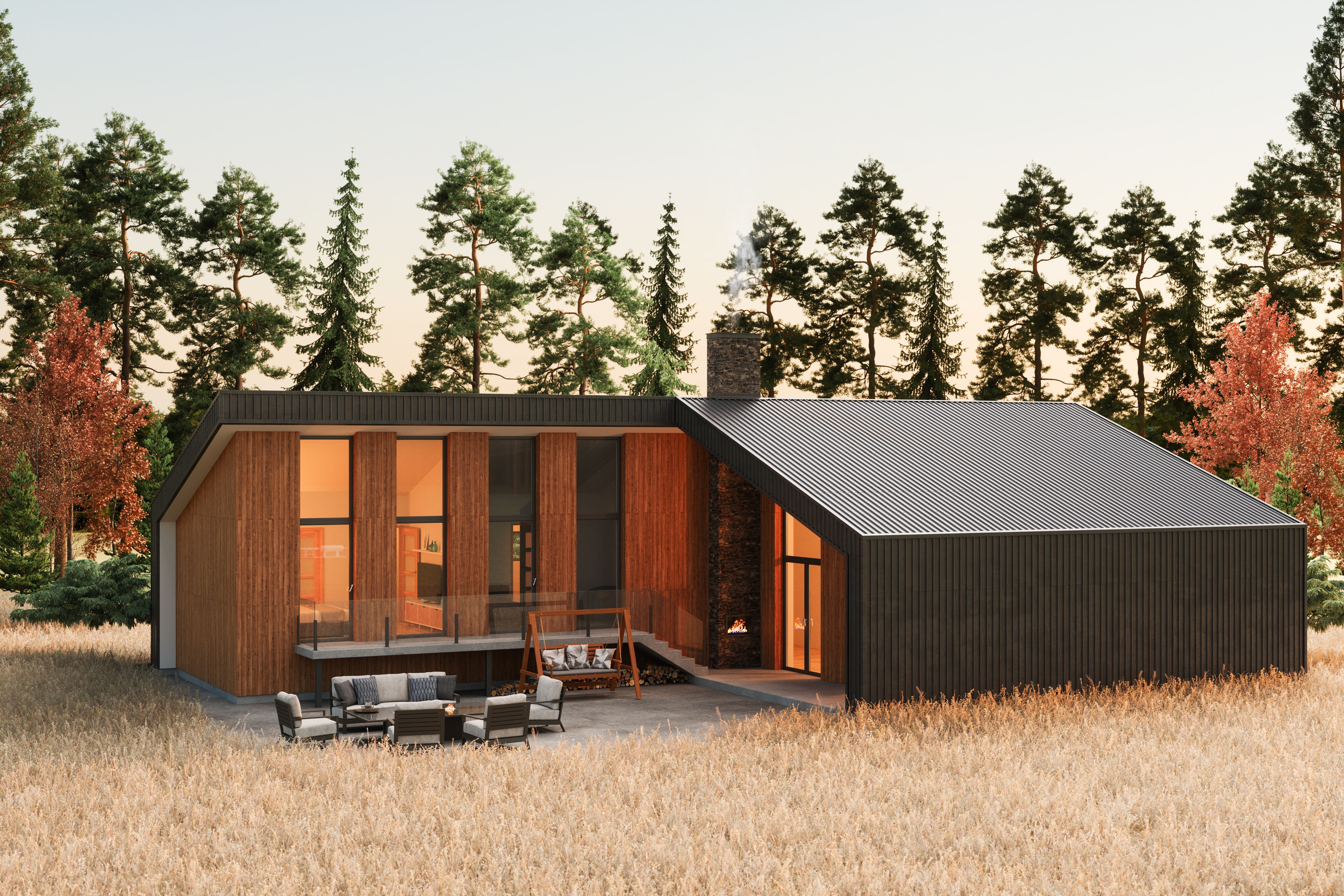
Many believe timber frames are only suitable for rustic or traditional designs. In reality, timber frame construction offers incredible design versatility. The structural strength of timber allows for expansive open spaces and creative architectural elements.
Whether you prefer a contemporary aesthetic or a classic look, timber frames can be adapted to suit various styles. Architects and builders can use timber to create striking modern designs, blending natural beauty with innovative architecture.
In conclusion, timber frame construction is a robust, efficient, and versatile building method. By debunking these common misconceptions, we hope to provide a clearer understanding of the benefits and potential of timber frame homes. Whether you're interested in sustainability, design flexibility, or durability, timber frames offer a reliable and attractive solution for your construction needs.