
Sustainable Building Materials for Extensions in the UK: What You Need to Know


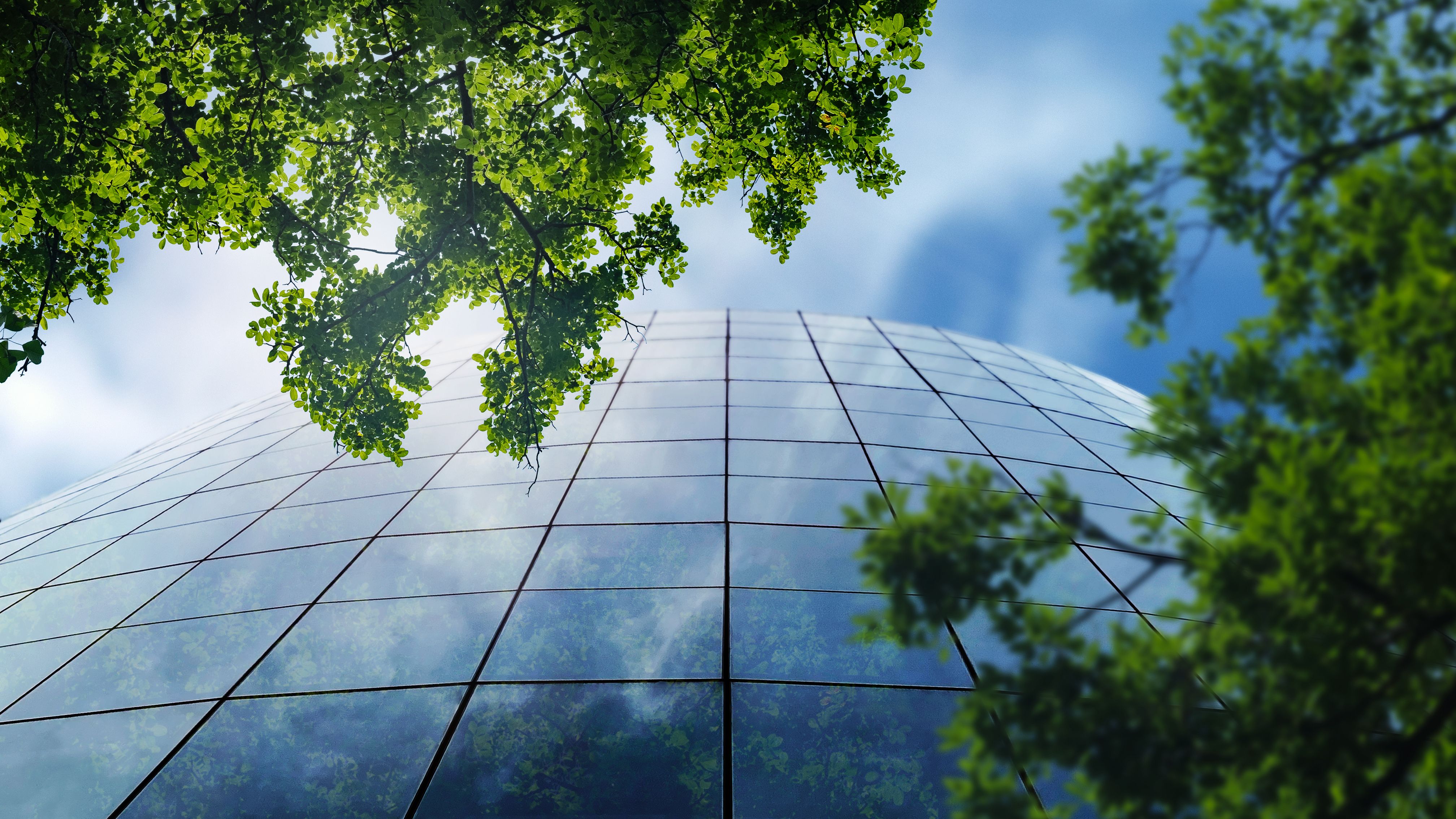
As the demand for home extensions grows in the UK, so does the need for sustainable building solutions. Homeowners are increasingly looking for materials that not only enhance their living spaces but also contribute positively to the environment. Choosing sustainable building materials for your extension can significantly reduce your carbon footprint while adding value to your home.
Why Choose Sustainable Materials?
Opting for sustainable building materials offers numerous benefits. These materials often have a lower environmental impact than traditional options. They are typically sourced responsibly, produced with minimal waste, and frequently incorporate recycled content. Moreover, sustainable materials can improve the energy efficiency of your home, leading to lower utility bills.
In addition to environmental benefits, sustainable materials are often more durable and require less maintenance over time. This means fewer replacements and repairs, saving both money and resources in the long run.
Popular Sustainable Materials for Extensions
Reclaimed Wood
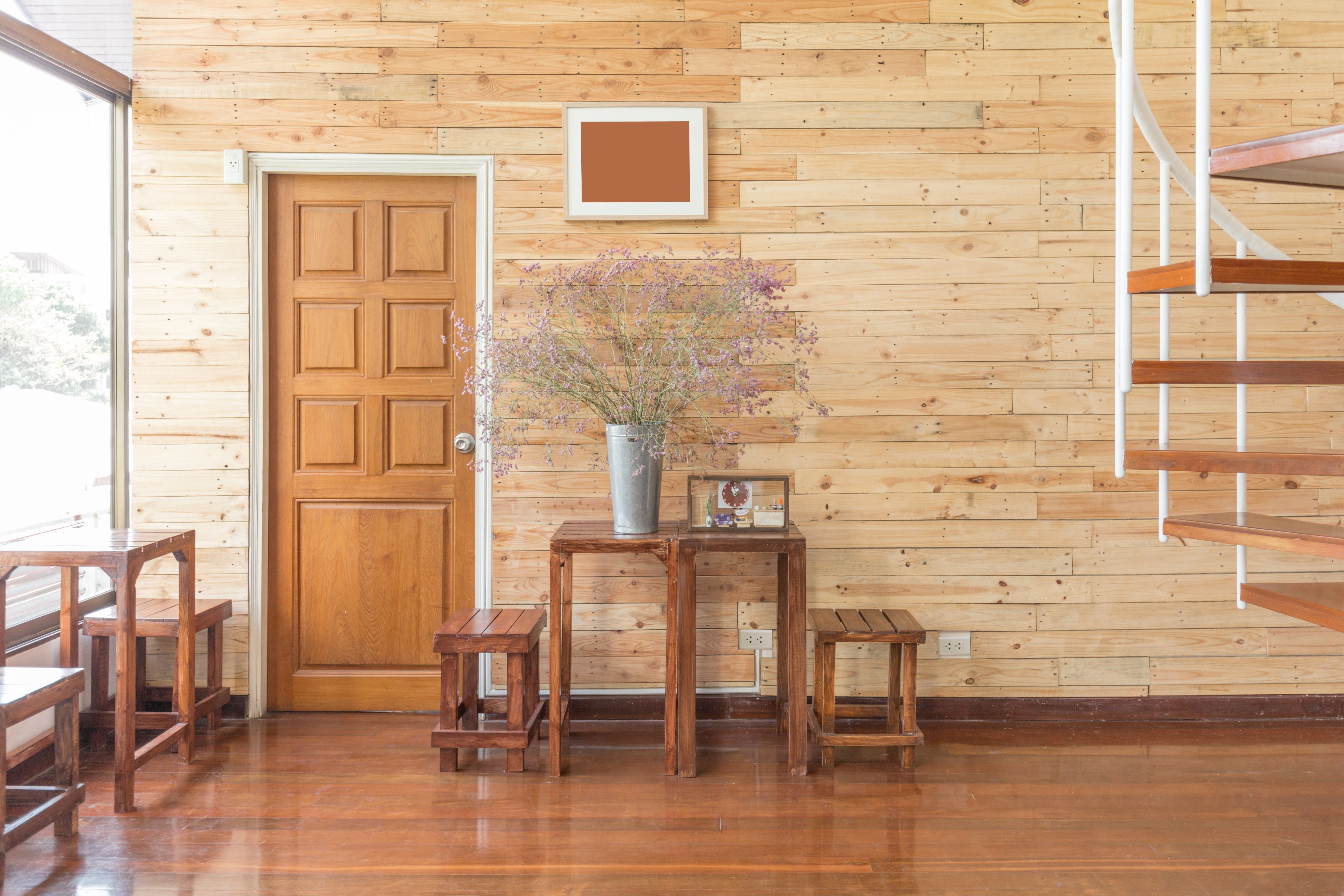
Reclaimed wood is a popular choice for those looking to add character and warmth to their home extensions. By using wood that has been salvaged from old buildings or furniture, you are recycling existing materials and reducing the demand for new timber. This not only conserves forests but also provides a unique aesthetic that is hard to replicate with new wood.
Bamboo
Bamboo is another excellent sustainable choice. Known for its rapid growth rate, bamboo can be harvested without causing long-term damage to the ecosystem. It is flexible, strong, and can be used for flooring, paneling, and even structural elements. Bamboo's natural beauty complements a variety of design styles, making it a versatile option.
Recycled Metal
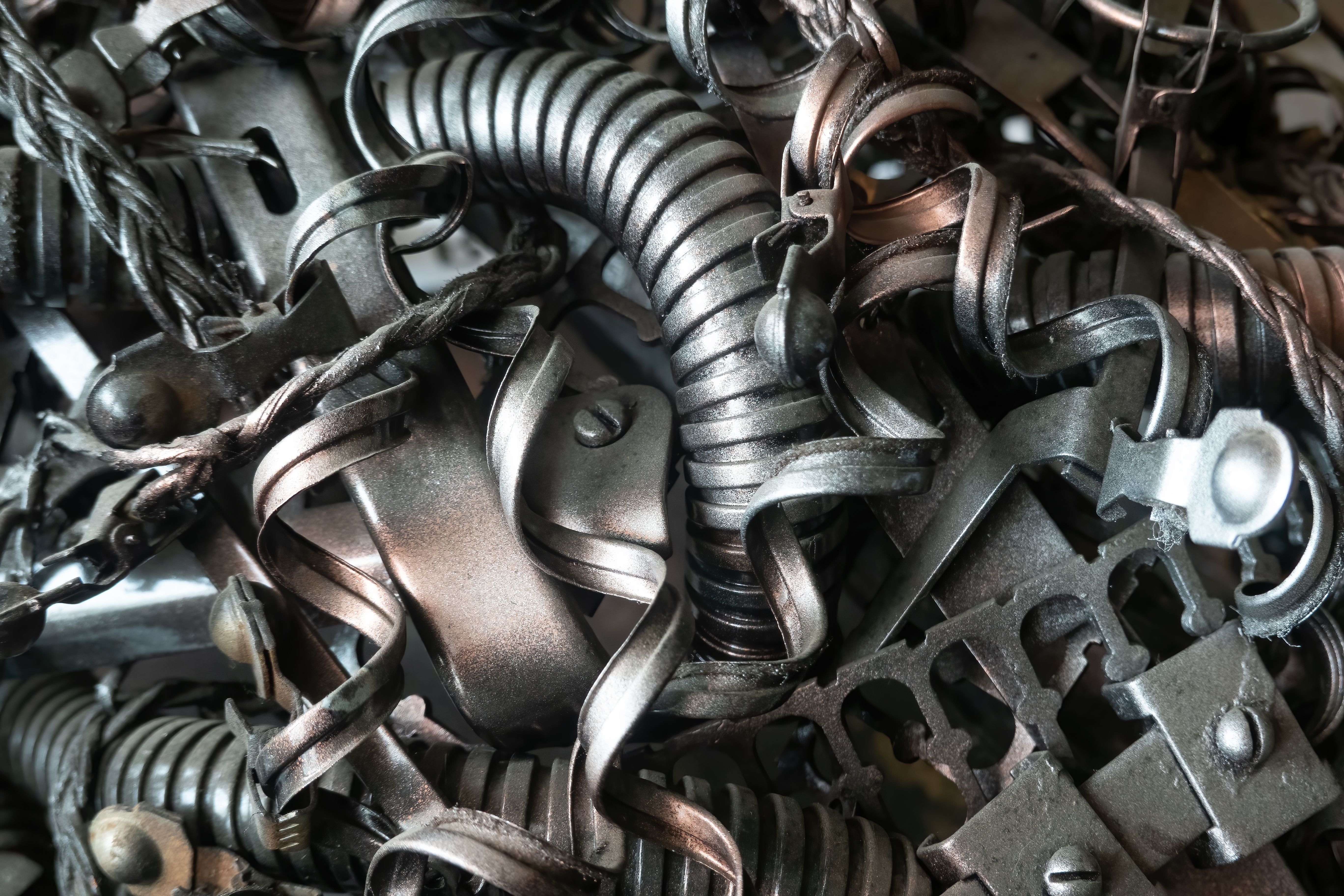
Using recycled metal in construction is a practical way to reduce waste and energy consumption. Metals such as steel and aluminum can be recycled multiple times without losing strength or durability. Recycled metal can be used for structural components, roofing, and even decorative elements in your extension.
Considerations When Choosing Materials
When selecting sustainable materials for your extension, consider the following factors:
- Local Availability: Sourcing materials locally can reduce transportation emissions and support local economies.
- Life Cycle Assessment: Evaluate the environmental impact of a material throughout its entire life cycle, from production to disposal.
- Certifications: Look for materials with certifications such as FSC for wood or Cradle to Cradle for various products, which indicate a commitment to sustainability.
The Future of Sustainable Building
The trend towards sustainable building materials is set to continue as more homeowners and builders recognize their benefits. Innovations in material science are continually introducing new options that are both environmentally friendly and aesthetically pleasing. Embracing these materials can lead to healthier, more efficient homes and a more sustainable future.
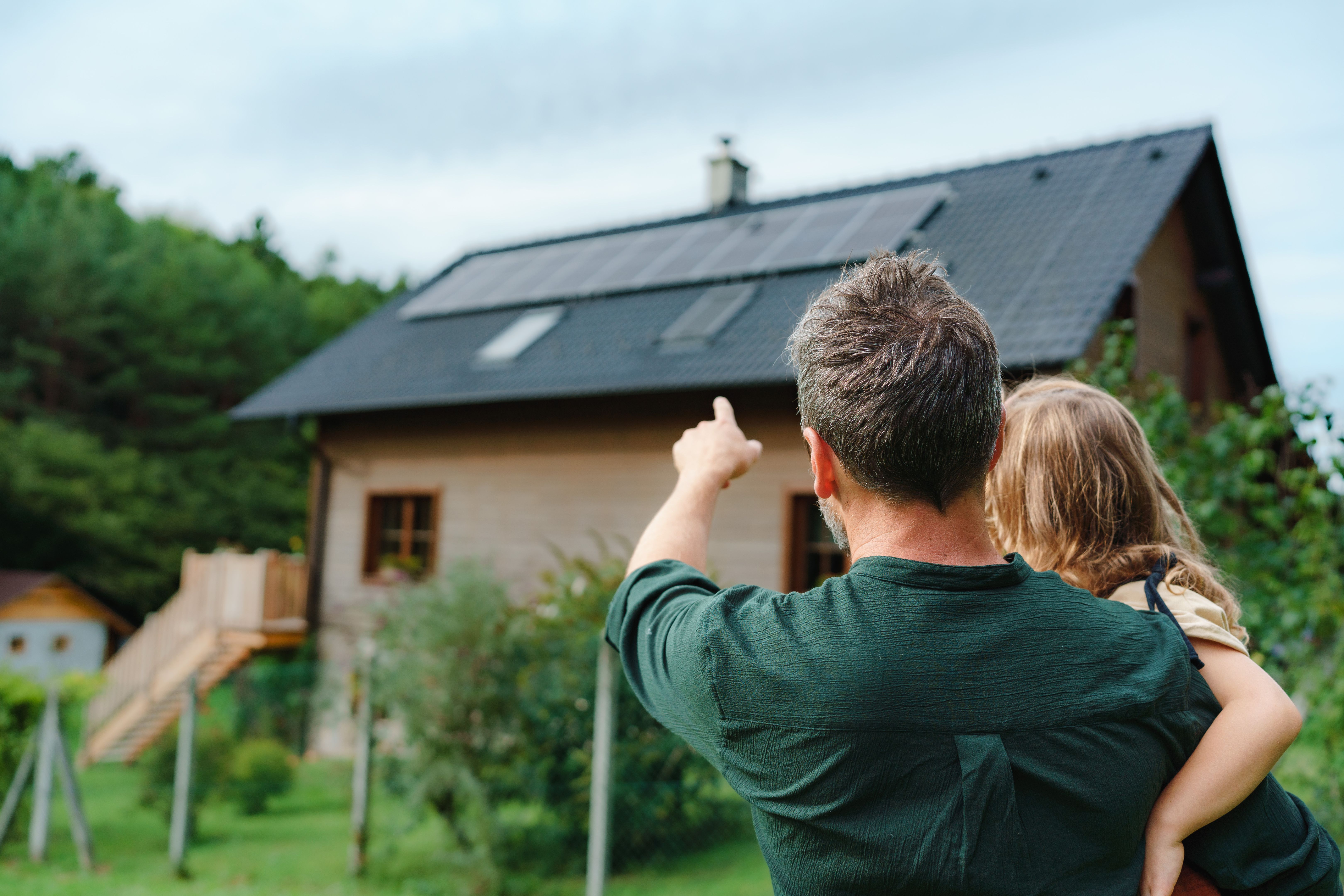
In conclusion, choosing sustainable building materials for your UK home extension is not just a responsible choice for the planet; it's a smart investment for your property. By considering factors such as availability, life cycle, and certifications, you can select materials that align with your environmental and aesthetic goals.