
Sustainable Home Extensions: Eco-Friendly Building Tips


Introduction to Sustainable Home Extensions
In today's world, sustainability is more than just a buzzword—it's a lifestyle choice that's influencing the way we build and renovate our homes. When considering a home extension, it's crucial to adopt eco-friendly practices that minimize environmental impact while enhancing your living space. This guide explores sustainable home extension tips to help you make environmentally conscious decisions.
Sustainable home extensions not only reduce your carbon footprint but also offer long-term financial benefits. By choosing eco-friendly materials and energy-efficient designs, you can create a space that is both beautiful and responsible.
Choosing Eco-Friendly Materials
Recycled and Reclaimed Materials
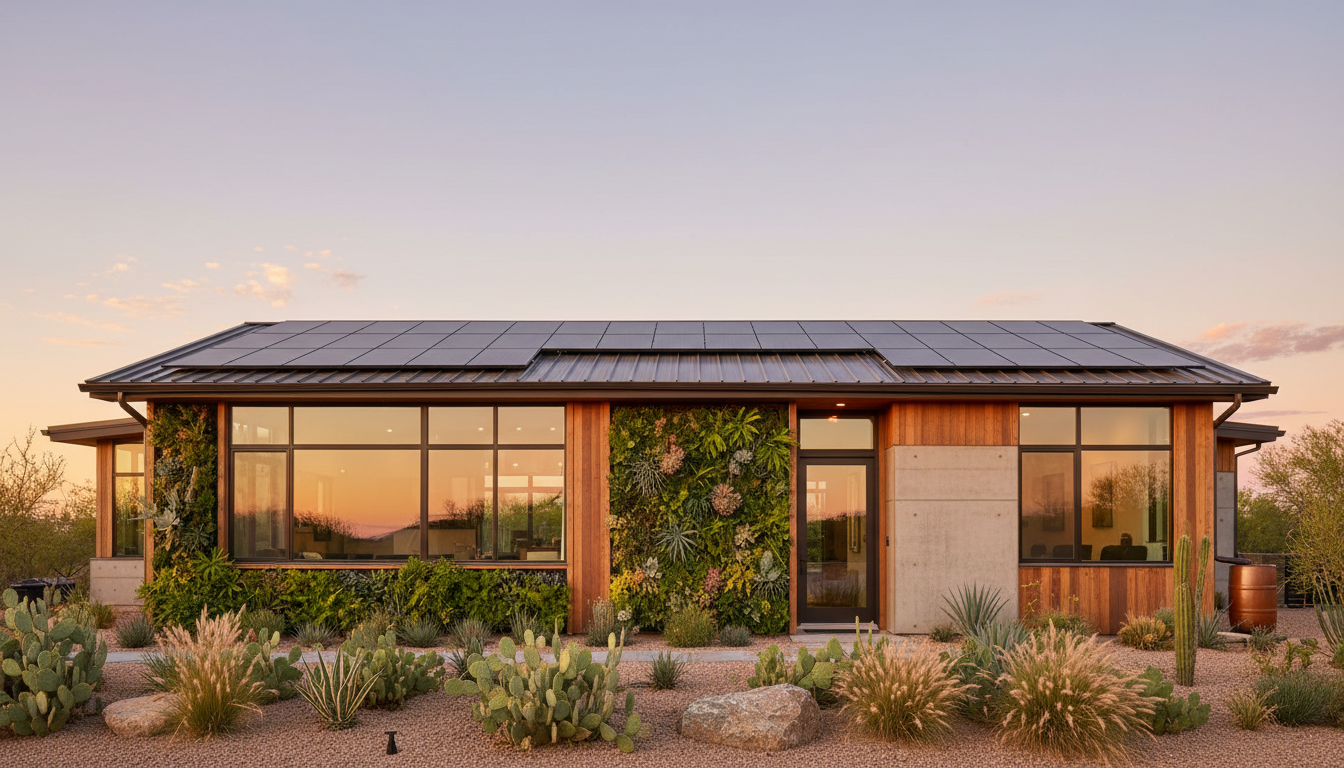
Using recycled and reclaimed materials is a smart way to reduce waste and promote sustainability. Materials like reclaimed wood, recycled metal, and glass can provide a unique aesthetic while being environmentally friendly. These materials often require less energy to produce and help preserve natural resources.
Natural and Renewable Resources
Opt for materials that are natural and renewable, such as bamboo or cork. These materials are not only sustainable but also durable and versatile. They can be used for flooring, walls, and ceilings, providing an eco-friendly alternative to traditional building materials.
Energy-Efficient Designs
Maximize Natural Light
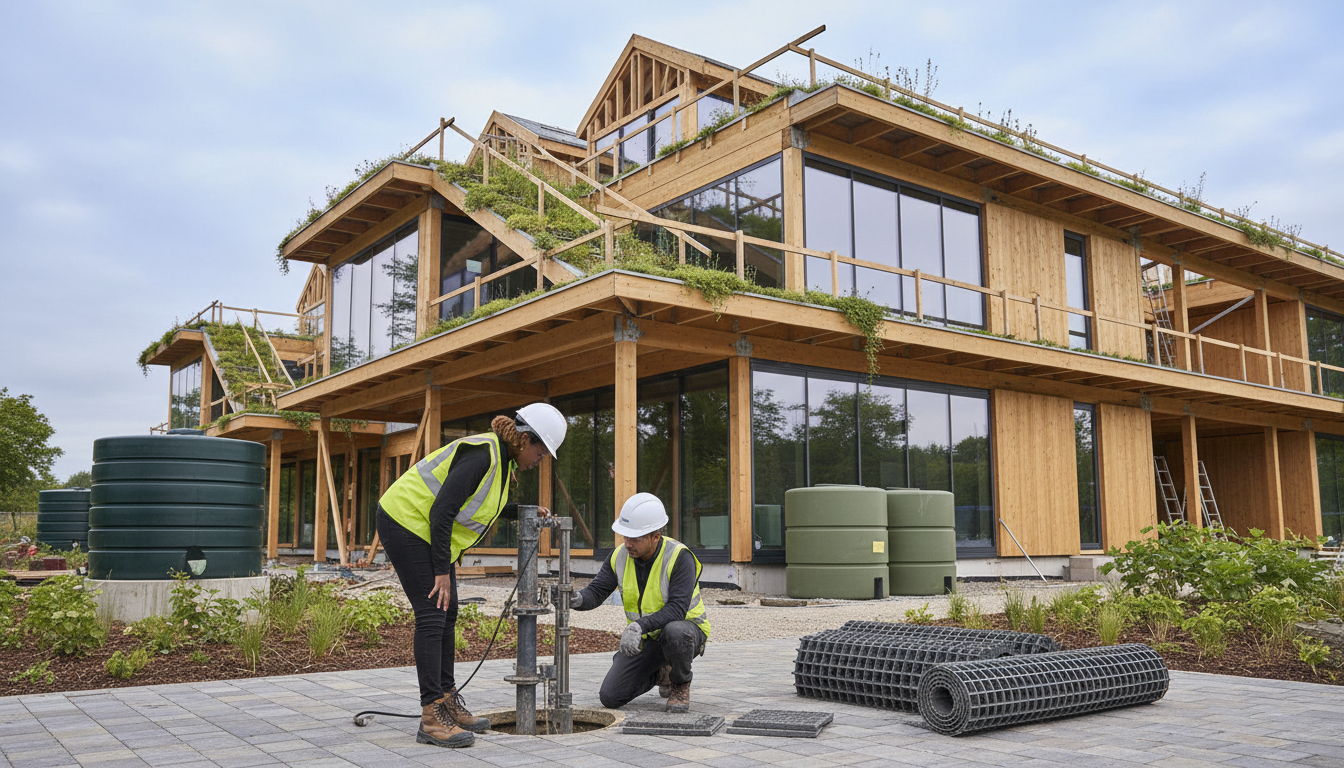
Design your extension to maximize natural light, reducing the need for artificial lighting. Large windows, skylights, and open floor plans can create a bright and inviting space. Consider using energy-efficient glazing to enhance insulation and reduce energy consumption.
Insulation and Ventilation
Proper insulation and ventilation are key to an energy-efficient home. Use sustainable insulation materials like sheep's wool or cellulose, and ensure your extension is well-ventilated to improve air quality and reduce heating and cooling costs.
Implementing Water Conservation Techniques
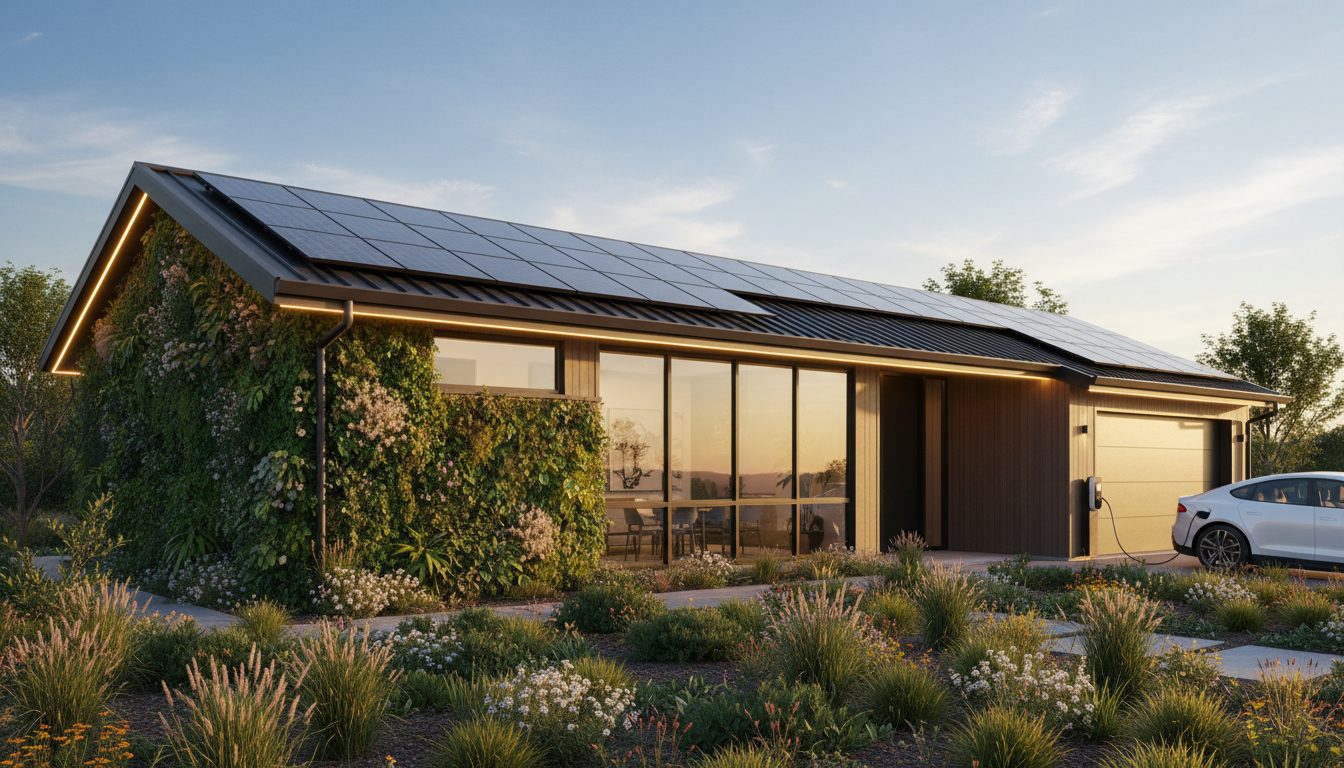
Water conservation is an essential aspect of sustainable home extensions. Install low-flow fixtures and consider rainwater harvesting systems to reduce water usage. These systems can capture rainwater for use in gardens or flushing toilets, significantly lowering your water consumption.
Additionally, choose native plants for landscaping that require minimal watering, further contributing to water conservation efforts.
Solar Energy Integration
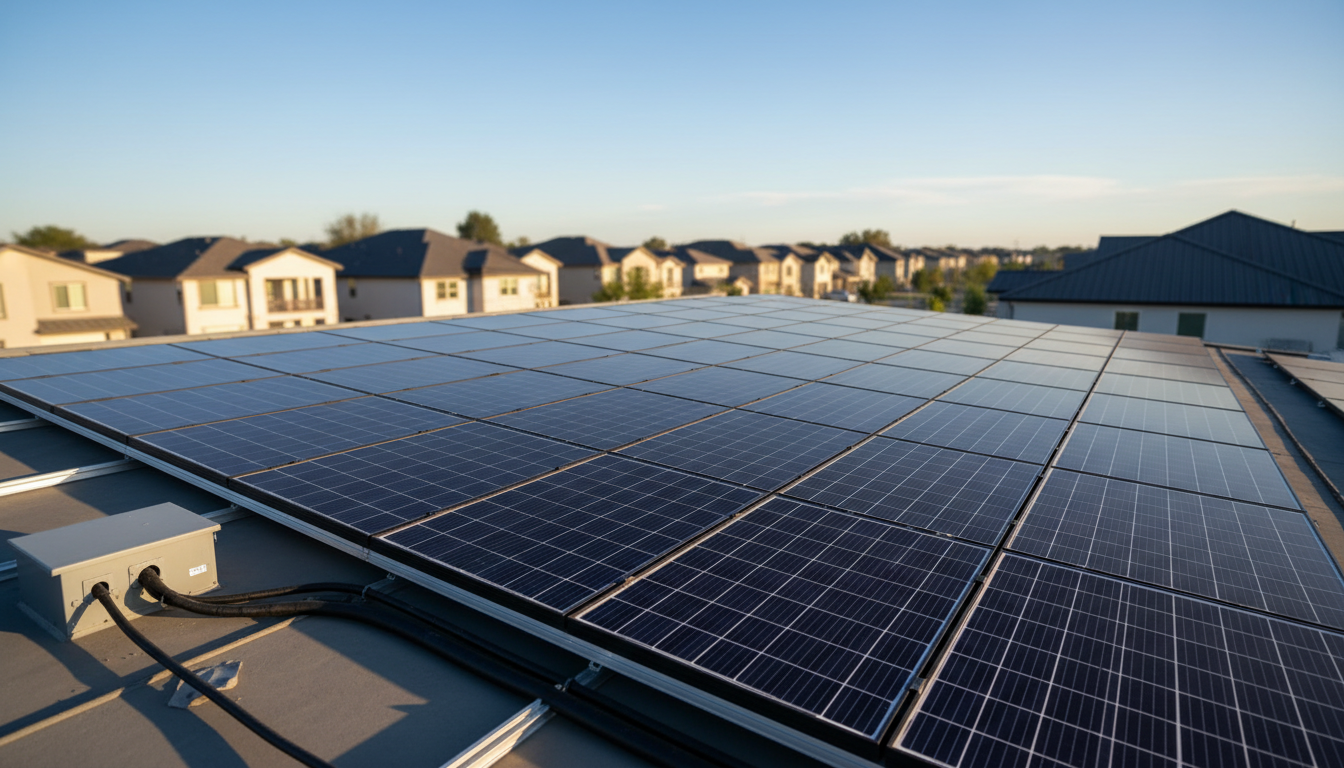
Incorporating solar panels into your home extension can significantly reduce your reliance on non-renewable energy sources. Solar energy is a clean, renewable resource that can power your home, reduce electricity bills, and add value to your property.
Consider integrating solar panels seamlessly into your design for a sleek and modern look. This not only enhances the aesthetic appeal but also contributes to a sustainable lifestyle.
Conclusion
Embarking on a sustainable home extension is an exciting opportunity to create a space that reflects your commitment to the environment. By choosing eco-friendly materials, energy-efficient designs, and renewable energy sources, you can build an extension that is both beautiful and sustainable. Making these conscious choices ensures that your home remains a haven for you and the planet.